Personal Loan Eligibility Guide
Introduction
Personal loans are among the most widely used financial products for individuals seeking funds for various personal expenses. Whether the purpose is debt consolidation, home improvement, medical expenses, education costs, or emergency financial needs, personal loans provide access to funds that can be repaid over a fixed period.
Before approving a personal loan application, banks and financial institutions evaluate several factors to determine whether an applicant qualifies for the loan. These requirements are known as personal loan eligibility criteria.
Understanding personal loan eligibility requirements can improve the chances of approval and help borrowers prepare financially before submitting an application. This guide explains the factors that affect personal loan eligibility, how lenders evaluate applications, and practical tips to improve loan approval chances.
What Is a Personal Loan?
A personal loan is a type of borrowing in which a lender provides a fixed amount of money to a borrower who agrees to repay the loan over a specified period with interest.
Personal loans are commonly used for:
- Medical expenses
- Home renovations
- Education costs
- Wedding expenses
- Debt consolidation
- Emergency expenses
- Travel expenses
- Business purposes
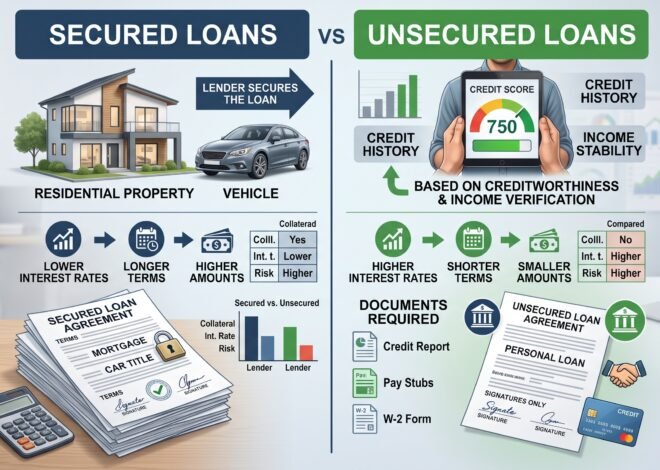
Personal loans may be secured or unsecured depending on the lender’s requirements.
Why Do Lenders Check Eligibility?
Lenders evaluate eligibility to determine the borrower’s ability and willingness to repay the loan.
Eligibility checks help lenders assess:
- Financial stability
- Creditworthiness
- Income reliability
- Repayment capacity
- Financial risk
The eligibility process protects both lenders and borrowers.
Common Personal Loan Eligibility Requirements
Although requirements vary by lender, several factors are commonly considered.
These include:
- Age
- Income
- Employment status
- Credit score
- Debt obligations
- Employment history
- Residence status
- Financial history
Meeting these criteria improves approval chances.
Age Requirements
Most lenders establish minimum and maximum age limits.
Typical age requirements include:
| Requirement | Common Range |
|---|---|
| Minimum Age | 18–21 Years |
| Maximum Age | 60–70 Years |
Age requirements help lenders assess earning potential and repayment capacity.
Income Requirements
Income is one of the most important factors in loan approval.
Lenders evaluate:
- Monthly income
- Annual income
- Income stability
- Income sources
Common income sources include:
- Salaries
- Business income
- Freelance income
- Rental income
- Investment income
Higher and stable income generally improves loan eligibility.
Employment Status
Lenders prefer borrowers with reliable employment.
Common employment categories include:
Salaried Employees
Lenders often require:
- Permanent employment
- Stable income history
- Employment verification
Self-Employed Individuals
Requirements may include:
- Business registration
- Tax returns
- Financial statements
- Business history
Freelancers
Freelancers may need to provide:
- Income records
- Client contracts
- Tax documentation
Stable employment strengthens loan applications.
Employment History Requirements
Many lenders review employment history.
Typical requirements include:
- Six months to two years with current employer
- Consistent employment records
- Stable career history
Frequent job changes may affect eligibility.
Credit Score Requirements
Credit scores are among the most important factors in personal loan approval.
Credit scores help lenders evaluate:
- Payment history
- Debt management
- Credit behavior
- Financial reliability
Example Credit Score Categories
| Credit Score | Evaluation |
|---|---|
| 750+ | Excellent |
| 700–749 | Good |
| 650–699 | Fair |
| Below 650 | Higher Risk |
Higher credit scores often result in:
- Faster approval
- Lower interest rates
- Larger loan amounts
Debt-to-Income Ratio
Lenders evaluate existing debt obligations using the debt-to-income ratio.
The formula is:
Debt-to-Income Ratio = Monthly Debt Payments ÷ Monthly Income × 100
A lower ratio indicates stronger repayment ability.
Typical guidelines include:
| Debt Ratio | Evaluation |
|---|---|
| Below 30% | Strong |
| 30–40% | Acceptable |
| Above 40% | Higher Risk |
Maintaining lower debt levels improves eligibility.
Loan Amount Requested
The requested loan amount affects approval decisions.
Lenders evaluate:
- Income level
- Existing debt
- Credit history
- Repayment capacity
Requesting an amount that aligns with financial capacity increases approval chances.
Residence Status
Many lenders require proof of residence.
Common documents include:
- Utility bills
- Rental agreements
- Government identification
- Property ownership records
Stable residence history may improve approval prospects.
Citizenship and Residency Requirements
Loan eligibility often depends on residency status.
Requirements may include:
- Citizenship
- Permanent residency
- Work permits
- Legal residency documentation
Applicants should verify lender-specific requirements.
Required Documentation
Personal loan applications usually require supporting documents.
Common documents include:
Identity Verification
- National identification cards
- Passports
- Driver’s licenses
Income Verification
- Salary slips
- Tax returns
- Bank statements
- Employment letters
Address Verification
- Utility bills
- Rental agreements
- Government documents
Employment Verification
- Employer certificates
- Business registration documents
Complete documentation speeds up loan processing.
Factors That Improve Loan Eligibility
Several actions can improve loan approval chances.
Maintain a Good Credit Score
Strategies include:
- Paying bills on time
- Reducing debt balances
- Avoiding missed payments
Increase Income Stability
Stable employment and consistent earnings strengthen applications.
Reduce Existing Debt
Lower debt obligations improve repayment capacity.
Maintain Banking Relationships
Long-term relationships with financial institutions may improve approval opportunities.
Provide Accurate Information
Accurate applications reduce delays and rejection risks.
Factors That May Reduce Eligibility
Certain factors may negatively affect loan applications.
Examples include:
- Poor credit history
- Low income
- High debt levels
- Unstable employment
- Frequent job changes
- Missing documentation
- Previous loan defaults
- Bankruptcy history
Addressing these issues can improve future eligibility.
How Lenders Evaluate Loan Applications
The evaluation process typically includes:
Step 1: Application Submission
Applicants provide:
- Personal information
- Financial information
- Required documents
Step 2: Identity Verification
Lenders verify applicant identity.
Step 3: Credit Assessment
Financial institutions review:
- Credit scores
- Credit reports
- Payment history
Step 4: Income Verification
Income and employment details are confirmed.
Step 5: Risk Assessment
Lenders calculate repayment risk.
Step 6: Approval Decision
Applications are approved, denied, or modified.
How to Check Personal Loan Eligibility
Many lenders provide eligibility assessment tools.
Methods include:
- Online eligibility calculators
- Prequalification systems
- Bank representatives
- Financial advisors
Prequalification may allow borrowers to estimate approval chances before applying.
Common Reasons for Loan Rejection
Loan applications may be rejected for several reasons.
Common causes include:
- Low credit scores
- High debt levels
- Insufficient income
- Incomplete applications
- Unstable employment
- Incorrect information
- Previous defaults
Understanding rejection reasons helps improve future applications.
Tips to Improve Personal Loan Approval Chances
Consider the following strategies:
- Maintain strong credit scores
- Pay debts on time
- Reduce outstanding balances
- Verify application accuracy
- Maintain employment stability
- Apply for realistic loan amounts
- Provide complete documentation
- Avoid multiple loan applications simultaneously
Preparation significantly improves approval opportunities.
Personal Loan Eligibility Checklist
| Requirement | Importance |
|---|---|
| Age | High |
| Income | High |
| Credit Score | High |
| Employment | High |
| Debt Ratio | High |
| Documentation | High |
| Residence Status | Medium |
| Banking History | Medium |
Meeting these requirements increases approval probability.
Conclusion
Personal loan eligibility depends on several financial and personal factors, including income, employment, credit history, debt levels, and documentation. Understanding these requirements before applying can improve approval chances and help borrowers obtain more favorable loan terms.
Careful financial planning, responsible credit management, and accurate application preparation play important roles in successful loan approval. By improving financial health and understanding lender requirements, borrowers can increase their chances of obtaining personal loans that support their financial goals.
Frequently Asked Questions (FAQ)
What is the minimum credit score required for a personal loan?
Requirements vary by lender, but higher credit scores generally improve approval chances.
Can I get a personal loan with low income?
Some lenders approve loans for lower-income applicants, depending on debt levels and repayment capacity.
Does employment history affect loan approval?
Yes. Stable employment history often improves eligibility.
Can self-employed individuals apply for personal loans?
Yes. Self-employed applicants usually provide additional income documentation.
What documents are required for a personal loan?
Common documents include identification, income verification, employment records, and proof of residence.
Does applying for multiple loans affect credit scores?
Multiple applications within a short period may affect credit evaluations.
Can I improve my loan eligibility?
Yes. Improving credit scores, reducing debt, and maintaining stable income can strengthen eligibility.

Related Posts

Tips For Paying Off Loans Faster

How Loan Interest Rates Are Calculated