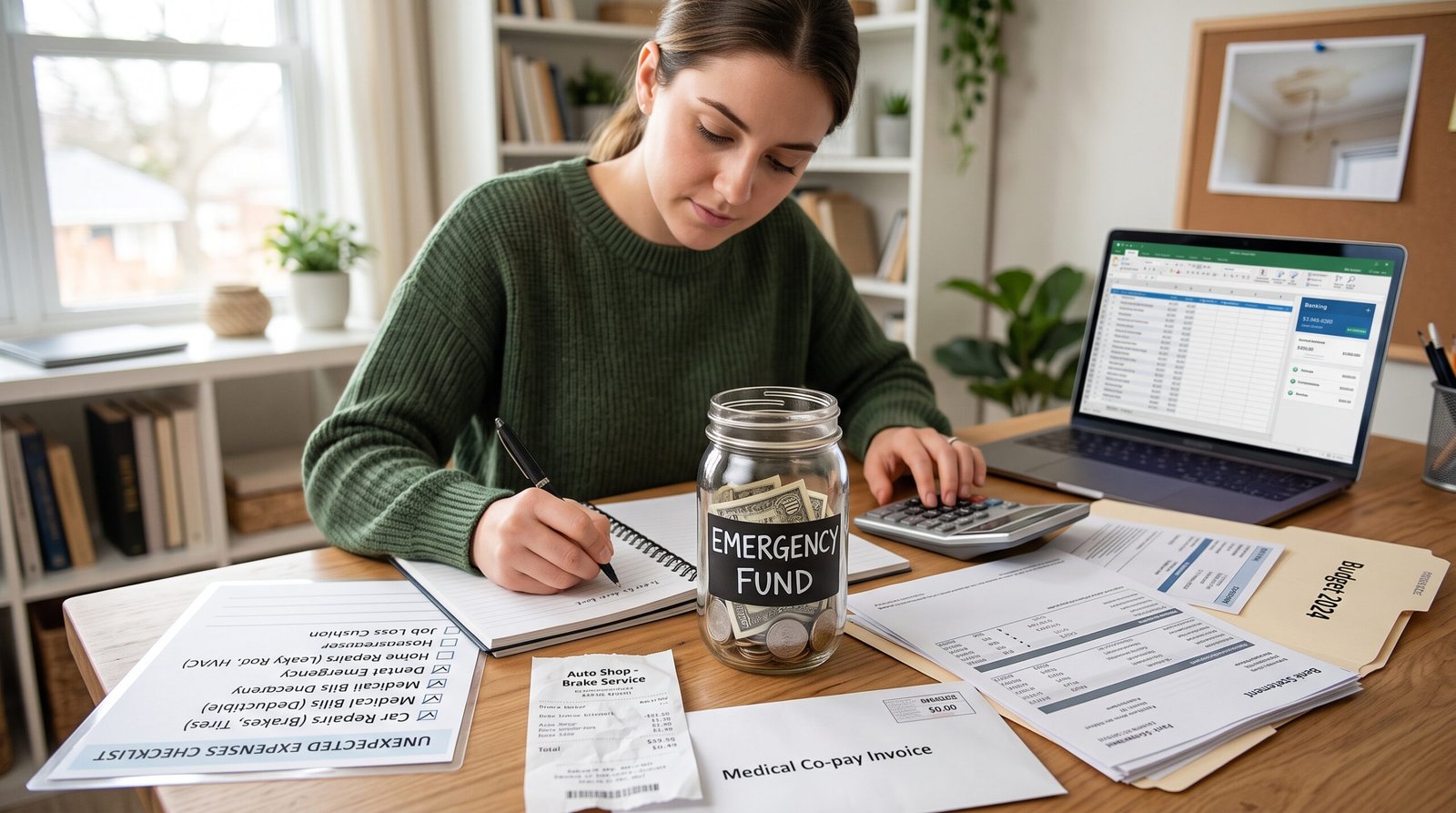
Emergency Fund Planning For Beginners
Introduction
Financial emergencies can occur without warning and affect individuals and families regardless of income level. Unexpected expenses such as medical bills, vehicle repairs, job loss, home maintenance, or family emergencies can create financial challenges when savings are unavailable. An emergency fund provides financial protection and helps avoid debt during difficult situations.
For beginners, building an emergency fund may seem difficult. However, with proper planning, budgeting, and consistent saving habits, anyone can establish financial security. An emergency fund serves as a financial safety net that allows individuals to manage unexpected expenses without disrupting long-term financial goals.
This guide explains emergency fund planning for beginners, including how much to save, where to keep emergency savings, and strategies for building an emergency fund over time.
What Is an Emergency Fund?
An emergency fund is money set aside specifically for unexpected financial situations. This money should only be used during genuine emergencies.
Examples of emergencies include:
- Medical expenses
- Job loss
- Vehicle repairs
- Home repairs
- Family emergencies
- Emergency travel
- Unexpected business expenses
- Temporary income reduction
An emergency fund is not intended for:
- Vacations
- Entertainment
- Shopping
- Planned purchases
- Holiday spending
- Luxury expenses
The primary purpose of an emergency fund is financial protection.
Why Is an Emergency Fund Important?
Unexpected expenses can force individuals to borrow money or use credit cards when savings are unavailable.
Benefits of an emergency fund include:
- Financial security
- Reduced financial stress
- Protection against debt
- Greater financial independence
- Better financial decision-making
- Improved long-term financial planning
- Increased confidence during emergencies
Having emergency savings allows individuals to focus on solving problems rather than worrying about money.
Common Financial Emergencies
Many unexpected situations can affect personal finances.
Medical Emergencies
Healthcare costs may include:
- Hospital visits
- Medical procedures
- Prescription medications
- Emergency treatment
- Follow-up care
Job Loss
Loss of income can create financial pressure.
Emergency funds can help pay for:
- Housing expenses
- Food
- Utilities
- Insurance
- Transportation
Vehicle Repairs
Unexpected vehicle repairs often require immediate payment.
Examples include:
- Engine repairs
- Tire replacement
- Transmission repairs
- Accident-related expenses
Home Repairs
Property maintenance emergencies may include:
- Plumbing problems
- Roof repairs
- Electrical issues
- Water damage
- Appliance replacement
Family Emergencies
Unexpected family situations can involve:
- Travel expenses
- Caregiving costs
- Temporary financial support
Emergency funds help manage these situations without borrowing money.
How Much Should You Save?
The amount needed for an emergency fund varies based on personal circumstances.
Financial experts often recommend saving:
Starter Emergency Fund
For beginners:
- $500 to $1,000
This amount can cover many minor emergencies.
Standard Emergency Fund
A common recommendation is:
- Three to six months of living expenses
Example:
| Monthly Expenses | Emergency Fund Goal |
|---|---|
| $2,000 | $6,000–$12,000 |
| $3,000 | $9,000–$18,000 |
| $4,000 | $12,000–$24,000 |
Larger Emergency Funds
Individuals with variable income, self-employment, or dependents may choose:
- Six to twelve months of expenses
The appropriate amount depends on financial circumstances and risk factors.
Calculate Your Monthly Expenses
Before building an emergency fund, determine your monthly living expenses.
Include:
- Housing costs
- Utility bills
- Food expenses
- Transportation
- Insurance
- Debt payments
- Healthcare costs
- Childcare expenses
Example Monthly Budget
| Expense Category | Monthly Amount |
|---|---|
| Housing | $1,200 |
| Utilities | $250 |
| Food | $500 |
| Transportation | $300 |
| Insurance | $200 |
| Debt Payments | $400 |
| Healthcare | $150 |
| Total | $3,000 |
This information helps determine the appropriate emergency fund target.
Start Small
Many beginners delay saving because they believe they need a large amount immediately.
Starting with smaller goals can create momentum.
Examples include:
- Save $100
- Save $250
- Save $500
- Save $1,000
After reaching smaller goals, continue building larger reserves.
Consistent progress is more important than the starting amount.
Create an Emergency Fund Budget
Building emergency savings requires including savings in your monthly budget.
Example:
| Monthly Income | $4,000 |
|---|---|
| Expenses | $3,300 |
| Emergency Savings | $300 |
| Remaining Funds | $400 |
Treat emergency savings as a fixed monthly expense.
This approach encourages consistency.
Automate Emergency Savings
Automation helps eliminate the temptation to spend money intended for emergencies.
Methods include:
- Automatic bank transfers
- Payroll deductions
- Scheduled savings deposits
- Automatic investment transfers
Benefits of automation include:
- Consistency
- Reduced spending temptation
- Easier financial management
- Faster savings growth
Automation simplifies emergency fund planning.
Where Should You Keep Emergency Funds?
Emergency savings should remain accessible and secure.
Suitable options include:
Savings Accounts
Benefits:
- Easy access
- Low risk
- Separation from spending accounts
High-Yield Savings Accounts
Advantages include:
- Higher interest earnings
- Liquidity
- Security
Money Market Accounts
These accounts often provide:
- Competitive interest rates
- Access to funds
- Banking flexibility
Emergency funds should not be stored in high-risk investments.
Build Emergency Savings Faster
Several strategies can accelerate emergency savings.
Reduce Unnecessary Spending
Examples include:
- Subscription cancellations
- Reduced entertainment spending
- Lower dining expenses
- Controlled shopping
Save Extra Income
Additional income sources include:
- Bonuses
- Tax refunds
- Freelance work
- Gifts
- Side businesses
Sell Unused Items
Unused possessions can generate additional savings.
Examples include:
- Electronics
- Furniture
- Clothing
- Equipment
Increase Monthly Contributions
Even small increases can produce significant results over time.
Separate Emergency Savings From Daily Spending
Keeping emergency funds separate reduces the temptation to use them.
Strategies include:
- Opening a dedicated savings account
- Using separate financial institutions
- Creating multiple savings categories
Separation improves financial discipline.
When Should You Use an Emergency Fund?
Emergency funds should only be used for genuine emergencies.
Appropriate situations include:
- Medical emergencies
- Job loss
- Emergency repairs
- Urgent family situations
- Unexpected income interruption
Inappropriate uses include:
- Vacations
- Gifts
- Entertainment
- Planned purchases
- Shopping
- Luxury spending
Establishing clear rules protects emergency savings.
Rebuild Emergency Savings After Use
After using emergency funds, begin rebuilding immediately.
Steps include:
- Review expenses.
- Create a repayment plan.
- Resume automatic savings.
- Adjust spending if necessary.
- Restore the target balance.
Rebuilding emergency savings maintains financial protection.
Common Emergency Fund Mistakes
Many beginners make mistakes that slow financial progress.
Waiting Too Long to Start
Starting with small amounts is better than postponing savings.
Keeping Funds in Checking Accounts
Checking accounts increase spending temptation.
Investing Emergency Funds in High-Risk Assets
Emergency funds require stability and accessibility.
Using Emergency Savings for Non-Emergencies
Misusing emergency funds reduces financial security.
Not Updating Savings Goals
As expenses increase, emergency fund targets should also increase.
Avoiding these mistakes improves financial preparedness.
Emergency Fund Example Plan
Year One Savings Plan
| Month | Savings Contribution | Total Savings |
|---|---|---|
| January | $200 | $200 |
| February | $200 | $400 |
| March | $200 | $600 |
| April | $200 | $800 |
| May | $200 | $1,000 |
| June | $200 | $1,200 |
| July | $200 | $1,400 |
| August | $200 | $1,600 |
| September | $200 | $1,800 |
| October | $200 | $2,000 |
| November | $200 | $2,200 |
| December | $200 | $2,400 |
Consistent monthly contributions gradually build financial security.
Benefits of Having an Emergency Fund
Long-term benefits include:
- Reduced debt dependence
- Greater financial stability
- Increased financial confidence
- Better stress management
- Protection against unexpected expenses
- Improved financial planning
- Enhanced financial flexibility
Emergency savings provide peace of mind and financial resilience.
Conclusion
Emergency fund planning is one of the most important aspects of personal financial management. Unexpected expenses can occur at any time, and having savings available provides financial protection and stability.
Beginners should focus on starting small, creating consistent saving habits, automating contributions, and building emergency reserves gradually. Over time, these efforts create a financial safety net that supports long-term financial goals and reduces financial uncertainty.
An emergency fund is not simply savings; it is a critical component of financial security and responsible financial planning.
Frequently Asked Questions (FAQ)
What is an emergency fund?
An emergency fund is money saved specifically for unexpected financial emergencies and urgent expenses.
How much should beginners save first?
Many financial experts recommend starting with a goal of $500 to $1,000.
How many months of expenses should I save?
Most recommendations suggest saving three to six months of living expenses.
Where should emergency funds be kept?
Emergency savings are commonly stored in savings accounts, high-yield savings accounts, or money market accounts.
Should I invest my emergency fund?
Emergency funds are generally kept in low-risk, easily accessible accounts rather than investments.
Can I use my emergency fund for vacations?
No. Emergency funds should only be used for unexpected financial emergencies.
How long does it take to build an emergency fund?
The timeline depends on income, expenses, and savings contributions. Many people build emergency funds gradually over several months or years.