Best Ways To Save Money Every Month
Introduction
Saving money every month is one of the most important habits for achieving financial stability and long-term financial goals. Whether an individual wants to build an emergency fund, pay off debt, purchase a home, or prepare for retirement, consistent monthly savings play a critical role in financial success.
Many people believe that saving money requires earning a high income. However, successful saving depends more on financial habits, spending awareness, and planning than on income level alone. Even small amounts saved consistently can grow over time and provide financial security.
This guide explains the best ways to save money every month through practical strategies, budgeting techniques, and financial planning methods.
Why Saving Money Every Month Matters
Monthly savings provide protection against financial emergencies and help achieve future goals.
Benefits of saving money include:
- Building financial security
- Preparing for emergencies
- Reducing financial stress
- Supporting retirement planning
- Funding education expenses
- Purchasing major assets
- Reducing dependence on loans
- Creating financial independence
Saving regularly also develops discipline and improves money management skills.
Understand Your Current Financial Situation
Before creating a savings plan, evaluate your current financial position.
Review the following:
- Monthly income
- Monthly expenses
- Existing debt
- Current savings
- Financial goals
- Spending habits
Create a list of all income sources and expenses to understand where money is being spent.
Example Financial Overview
| Category | Amount |
|---|---|
| Monthly Income | $4,000 |
| Monthly Expenses | $3,200 |
| Current Savings | $300 |
| Remaining Balance | $500 |
Understanding your finances helps identify opportunities to save.
Create a Monthly Budget
A budget serves as the foundation of every savings strategy.
A monthly budget should include:
- Housing expenses
- Transportation costs
- Food expenses
- Utility bills
- Insurance payments
- Debt obligations
- Entertainment spending
- Savings contributions
The 50/30/20 Rule
Many financial experts recommend the 50/30/20 budgeting method.
- 50% for essential expenses
- 30% for personal spending
- 20% for savings and debt repayment
Example:
| Category | Percentage |
|---|---|
| Needs | 50% |
| Wants | 30% |
| Savings | 20% |
Following a budget prevents overspending and encourages saving.
Pay Yourself First
One of the most effective savings strategies is paying yourself first.
This means:
- Saving money before spending on discretionary items
- Treating savings as a mandatory expense
- Automating transfers to savings accounts
For example:
- Monthly income: $3,000
- Savings target: $300
- Remaining spending amount: $2,700
This approach ensures savings remain consistent.
Automate Your Savings
Automation removes the need to make monthly saving decisions.
Methods include:
- Automatic bank transfers
- Payroll deductions
- Automatic investment contributions
- Recurring deposits to savings accounts
Benefits include:
- Consistency
- Reduced spending temptation
- Improved financial discipline
- Faster savings growth
Automation simplifies the saving process.
Track Every Expense
Many individuals lose money through small daily expenses.
Track spending using:
- Mobile applications
- Banking statements
- Budget spreadsheets
- Expense journals
Common hidden expenses include:
- Subscription services
- Food delivery fees
- Coffee purchases
- Online shopping
- Entertainment subscriptions
Tracking spending helps identify unnecessary expenses.
Reduce Food Expenses
Food expenses often represent a large portion of monthly spending.
Ways to save money on food include:
Meal Planning
Plan meals weekly to reduce waste and unnecessary purchases.
Grocery Lists
Create shopping lists before visiting stores.
Bulk Purchases
Purchase frequently used products in larger quantities when possible.
Reduce Restaurant Spending
Preparing meals at home often reduces monthly expenses.
Compare Prices
Use multiple stores and online tools to compare prices.
Small changes in food spending can generate significant savings.
Reduce Utility Bills
Lower utility costs can increase monthly savings.
Methods include:
- Turning off unused appliances
- Reducing water usage
- Monitoring electricity consumption
- Maintaining heating and cooling systems
- Using energy-efficient equipment
Tracking utility usage helps identify opportunities for savings.
Eliminate Unnecessary Subscriptions
Many people pay for subscriptions they rarely use.
Review subscriptions such as:
- Streaming services
- Music platforms
- Fitness memberships
- Software subscriptions
- Online services
Ask:
- Do I use this regularly?
- Is there a free alternative?
- Can I cancel this service?
Removing unused subscriptions increases monthly savings.
Avoid Impulse Purchases
Impulse spending can reduce savings significantly.
Before making purchases, ask:
- Is this necessary?
- Can I wait 24 hours?
- Does this support my financial goals?
- Is there a lower-cost option?
Strategies to reduce impulse spending include:
- Using shopping lists
- Avoiding emotional purchases
- Limiting online browsing
- Delaying major purchases
Controlled spending supports financial growth.
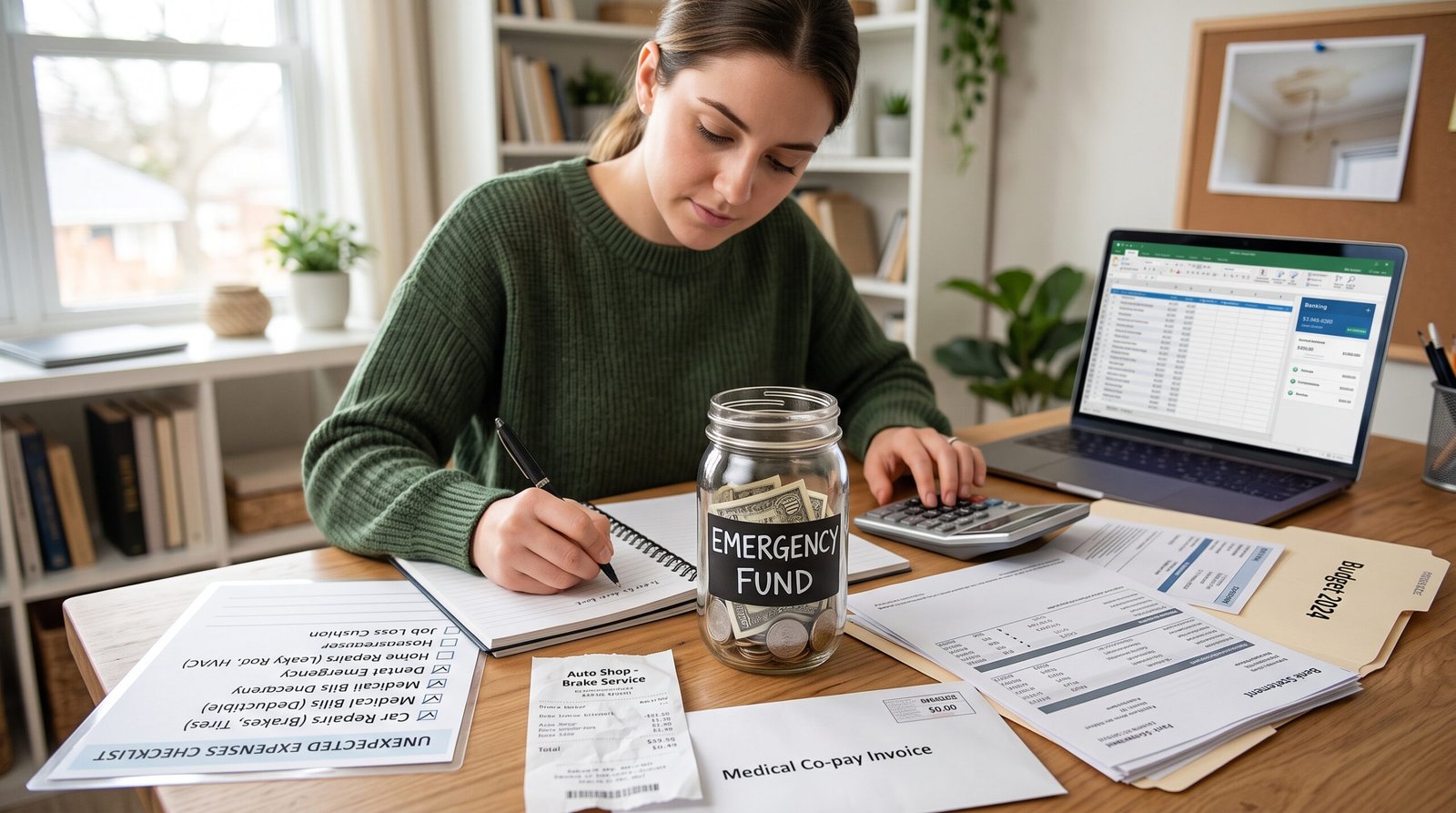
Build an Emergency Fund
Emergency funds protect against unexpected expenses.
Emergency savings can cover:
- Medical expenses
- Job loss
- Vehicle repairs
- Home maintenance
- Family emergencies
Financial experts often recommend saving:
- Three to six months of living expenses
Building an emergency fund reduces reliance on debt.
Reduce Debt Payments
Debt payments can consume a large portion of monthly income.
Common debt types include:
- Credit cards
- Student loans
- Personal loans
- Auto loans
Strategies for reducing debt include:
Debt Snowball Method
- Pay smaller debts first
- Gain motivation through progress
Debt Avalanche Method
- Pay high-interest debt first
- Reduce total interest costs
Reducing debt increases available savings.
Save Windfall Income
Unexpected income creates opportunities for saving.
Examples include:
- Bonuses
- Tax refunds
- Gifts
- Freelance income
- Business profits
Instead of spending all additional income, allocate portions to:
- Savings accounts
- Investments
- Emergency funds
- Debt repayment
Saving unexpected income accelerates financial progress.
Use Cashback and Reward Programs
Many financial institutions offer reward programs.
Examples include:
- Cashback credit cards
- Store reward programs
- Banking rewards
- Loyalty programs
Benefits include:
- Cashback on purchases
- Discounts
- Reward points
- Travel benefits
Use reward programs responsibly and avoid unnecessary spending.
Set Savings Goals
Specific goals improve motivation.
Examples include:
Short-Term Goals
- Emergency fund
- Vacation savings
- Home repairs
Long-Term Goals
- Retirement
- Education
- Home purchase
- Business investment
Use SMART goals:
- Specific
- Measurable
- Achievable
- Relevant
- Time-based
Example:
“Save $6,000 within 12 months by saving $500 monthly.”
Open Separate Savings Accounts
Separate accounts help organize savings goals.
Examples include:
- Emergency fund account
- Vacation fund account
- Education account
- Home purchase account
- Investment account
Separate accounts reduce the temptation to spend savings.
Increase Income Sources
Increasing income can accelerate savings.
Additional income sources may include:
- Freelancing
- Consulting
- Online businesses
- Part-time employment
- Investments
- Rental income
Combining higher income with controlled spending improves financial outcomes.
Save on Transportation Costs
Transportation often represents a major expense.
Ways to reduce transportation spending include:
- Public transportation
- Carpooling
- Vehicle maintenance
- Route planning
- Fuel-efficient driving
Reducing transportation costs creates additional savings opportunities.
Review Insurance Policies
Insurance expenses should be reviewed regularly.
Compare:
- Health insurance
- Vehicle insurance
- Home insurance
- Life insurance
Reviewing policies may identify lower-cost alternatives while maintaining coverage.
Monitor Financial Progress
Saving money requires continuous monitoring.
Review monthly:
- Savings balances
- Expenses
- Debt payments
- Financial goals
- Budget performance
Tracking progress provides motivation and helps identify areas for improvement.
Common Mistakes That Prevent Saving
Many individuals struggle to save because of common mistakes.
These include:
- Not having a budget
- Overspending
- Ignoring small expenses
- Carrying high-interest debt
- Not setting financial goals
- Failing to automate savings
- Spending unexpected income
Avoiding these mistakes improves financial success.
Sample Monthly Savings Plan
| Category | Amount |
|---|---|
| Monthly Income | $4,000 |
| Housing | $1,200 |
| Utilities | $250 |
| Transportation | $300 |
| Food | $500 |
| Debt Payments | $400 |
| Savings | $700 |
| Entertainment | $250 |
| Miscellaneous | $400 |
This example demonstrates how structured spending supports consistent savings.
Conclusion
Saving money every month requires planning, discipline, and consistency. Successful saving strategies include budgeting, tracking expenses, reducing unnecessary spending, automating savings, managing debt, and setting financial goals.
Financial success is achieved through regular habits rather than occasional efforts. By implementing practical savings strategies and reviewing financial progress regularly, individuals can build financial security and achieve long-term financial objectives.
Frequently Asked Questions (FAQ)
How much money should I save every month?
Many financial experts recommend saving at least 20% of monthly income whenever possible.
What is the easiest way to start saving money?
Creating a budget and automating savings transfers are among the simplest methods.
Should I save money or pay off debt first?
It is generally recommended to build a small emergency fund while also paying down high-interest debt.
How can I save money on a low income?
Track expenses, reduce unnecessary spending, create a budget, and automate small savings contributions.
Why is an emergency fund important?
Emergency funds help cover unexpected expenses without relying on debt.
What is the best budgeting method for saving money?
The 50/30/20 rule and zero-based budgeting are both effective methods.
How often should I review my savings goals?
Reviewing financial goals monthly helps maintain progress and make necessary adjustments.